
Oh, my dears, there’s something truly magical about a warm, savory parcel, isn’t there? Today, we’re wrapping our hearts around the comforting delight of Traditional Cornish Beef Pasties. These aren’t just a meal; they’re a journey to a simpler time, a hearty embrace for your taste buds, and a testament to how humble ingredients can create something truly extraordinary. Imagine a flaky, golden pastry encasing tender pieces of beef, potatoes, and root vegetables, seasoned to perfection – pure joy in every bite.
My grandmother, bless her heart, always said the best food came from love and simple, honest ingredients. I remember afternoons spent by her side, the scent of flour and butter filling the air, watching her nimble fingers crimp the edges of her glorious creations. There’s a certain satisfaction in making something from scratch, a feeling that connects you to generations of home cooks who knew the secret to a happy kitchen was always a little bit of patience and a lot of heart.
This recipe for Traditional Cornish Beef Pasties is not only wonderfully comforting and a fantastic way to feed a hungry family, but it’s also incredibly rewarding to create. It’s a perfect make-ahead option for busy weeknights or a delightful centerpiece for a cozy weekend lunch. My top tip? Don’t rush the pastry; a little chill time makes all the difference for that irresistible flakiness!
What You Need to Make This Recipe
Crafting these beloved pasties begins with simple, wholesome ingredients. The star of the show is, of course, the tender skirt steak or chuck, which becomes incredibly flavorful when slow-baked inside its pastry shell, complemented by diced potatoes, swede, and onion. It’s truly incredible how these foundational elements transform into something so robust and satisfying, making each cornish beef pasties a complete meal. You’ll find the full list of ingredients and precise measurements in the recipe card just below.
How to Make Traditional Cornish Beef Pasties
Creating these wonderful cornish beef pasties is a true labor of love, but one that’s incredibly rewarding. We begin by crafting a simple, tender pastry – remember, cold butter and lard are your best friends here for that signature flakiness! Next, we’ll chop and season our hearty filling of beef and vegetables. Then comes the fun part: assembling and crimping each pasty with care, before baking them to golden-brown perfection.
![Halved {{ $('Fetch Recipe Data').first().json["Main Keyword"] }} on a wooden board showing a savory ground beef filling.](https://tastytablekitchen.com/wp-content/uploads/2026/03/cornish-beef-pasties-.webp)
Traditional Cornish Beef Pasties
Ingredients
Equipment
Method
- In a large mixing bowl, combine the flour and salt. Add the diced cold butter and lard/shortening. Using your fingertips or a pastry blender, rub the fats into the flour until the mixture resembles coarse breadcrumbs with some pea-sized pieces of fat remaining.
- Gradually add the ice-cold water, a tablespoon at a time, mixing lightly with a knife or your hand until the dough just comes together. Be careful not to overwork the dough.
- Form the dough into a disc, wrap tightly in plastic wrap, and refrigerate for at least 30 minutes to an hour. This helps the gluten relax and the fat firm up, resulting in a flakier pastry.
- While the pastry chills, prepare the filling. In a large bowl, combine the finely diced beef, potatoes, swede, and onion. Season generously with freshly ground black pepper and salt. If using, crumble in the beef stock cube and mix well. Ensure all ingredients are diced to a similar small size for even cooking.
- Preheat your oven to 375°F (190°C). Line two baking sheets with parchment paper.
- On a lightly floured surface, divide the chilled pastry dough into four equal portions. Roll out each portion into a circle approximately 8-9 inches (20-23 cm) in diameter and about 1/8-inch (3mm) thick.
- Spoon a quarter of the filling onto one half of each pastry circle, leaving a 1-inch (2.5 cm) border around the edge. Make sure not to overfill.
- Moisten the pastry border with a little water or beaten egg. Fold the empty half of the pastry over the filling, aligning the edges to form a semi-circle. Press down firmly to seal the edges.
- Crimp the edges decoratively to create a strong seal. This traditional ‘crimp’ prevents the filling from escaping. Some people create a thick, rolled crust, while others create a fluted edge by pinching and twisting.
- Carefully transfer the pasties to the prepared baking sheets. Make a small slit or two on the top of each pasty to allow steam to escape during baking.
- Brush the tops of the pasties with the beaten egg wash for a golden, shiny finish.
- Bake in the preheated oven for 20 minutes at 375°F (190°C), then reduce the oven temperature to 325°F (160°C) and continue baking for another 35-40 minutes, or until the pastry is deeply golden brown and the filling is tender and cooked through.
- Remove from the oven and let rest on the baking sheets for 10-15 minutes before serving. This allows the juices to settle and the pasties to cool slightly.
Notes
Pro Tips for Making This Traditional Cornish Beef Pasties
Baking, for me, has always been about learning and refining, and I’ve gathered a few tricks over the years to make your cornish beef pasties truly shine.
- Pastry Perfection: The key to a beautiful, flaky pasty lies in keeping your pastry ingredients, especially the butter and lard, as cold as possible. Work quickly and handle the dough as little as you can to prevent it from becoming tough. I always recommend chilling your pastry dough for at least 30 minutes before rolling; it makes it much easier to handle and prevents shrinkage.
- Filling Finesse: Chop your vegetables and beef to roughly the same small size. This ensures everything cooks evenly inside the pasty, giving you that perfect tender bite in every mouthful. Don’t be shy with the black pepper—it’s a classic for a reason!
- My Secret Trick: To ensure your pasties have that gorgeous golden sheen and a truly crisp finish, I always give them an egg wash right before baking. It’s a simple step, but it makes all the difference in presentation and texture.
- Crimping Confidence: The traditional Cornish crimp is part of the pasty’s charm! Practice makes perfect, but the trick is to overlap small sections of the bottom and top pastry edges, pressing firmly to seal. This creates a strong, beautiful seal that holds all that delicious filling inside.
Fun Variations for Your Cornish Beef Pasties
While the classic Traditional Cornish Beef Pasties are a masterpiece on their own, a little creativity in the kitchen is always welcome! Here are a few ways to playfully adapt this beloved dish:
Spice It Up
For those who love a bit of warmth, a pinch of smoked paprika or a tiny dash of cayenne pepper can add a lovely kick to the filling. My friend, Mark, always asks me to add a whisper of chili powder to his pasties when he visits!
Cheesy Comfort
Consider adding a sprinkle of mature cheddar cheese into the filling just before sealing your cornish beef pasties. It melts beautifully and adds an extra layer of savory richness that’s simply irresistible.
Seasonal Veggies
While the traditional pasty relies on potato, swede, and onion, feel free to experiment with other root vegetables like carrots or parsnips, especially when they’re fresh from the garden in the autumn. Just make sure to chop them small so they cook through.
What to Serve With Traditional Cornish Beef Pasties
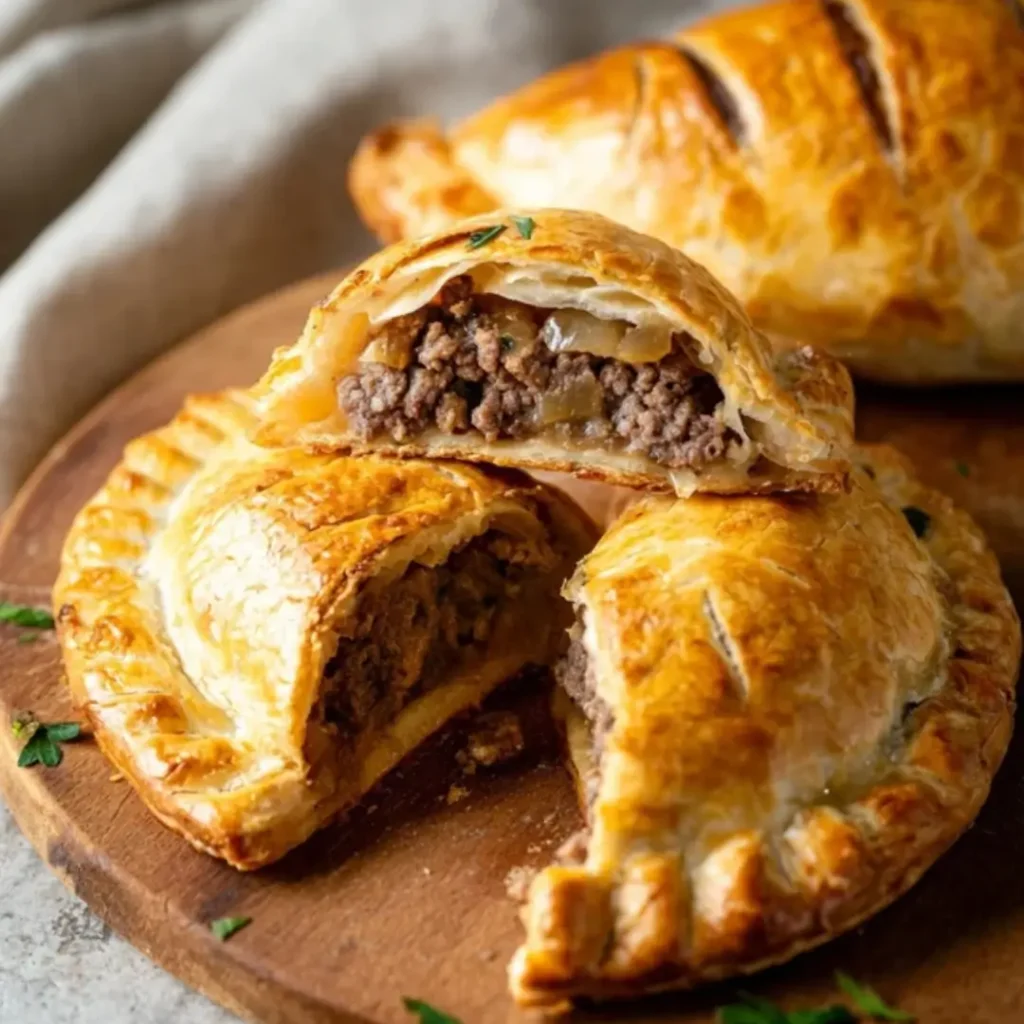
These hearty cornish beef pasties are a meal in themselves, but a little something on the side can elevate the experience even further.
I love serving them simply with a generous dollop of my homemade tomato relish or a classic brown sauce. The tanginess cuts beautifully through the rich, savory filling. For a lighter touch, a crisp green salad with a zesty vinaigrette provides a refreshing contrast. My mom always had a pot of tea brewing when she served pasties, making it feel like the most comforting meal. And if you’re looking for a quick serving idea, a simple pickle or chutney is always a winner!
How to Store Traditional Cornish Beef Pasties
Properly storing your delicious cornish beef pasties ensures that you can enjoy their comforting goodness for days to come.
Fridge Storage
Once completely cooled, store your pasties in an airtight container in the refrigerator for up to 3-4 days. When you’re ready to enjoy, reheat them in an oven at 350°F (175°C) for about 15-20 minutes, or until warmed through and the pastry is crisp again.
Freezer Friendly
Yes, you can freeze pasties! Once baked and fully cooled, wrap each cornish beef pasties individually in plastic wrap, then place them in a freezer-safe bag or container for up to 3 months. To reheat from frozen, unwrap and bake in a preheated oven at 350°F (175°C) for 35-45 minutes, or until piping hot in the center. My personal tip? A quick blast under the broiler for the last few minutes can help restore that lovely golden crust!
Nutritional Benefits
While our cornish beef pasties are undeniably a comforting indulgence, they also offer wholesome goodness. Packed with protein from the beef and fiber from the root vegetables like potatoes and swede, they truly are a satisfying and nourishing meal. It’s a wonderful example of how simple, fresh ingredients can come together in a delicious way, creating a treat that’s both satisfying and hearty.
FAQs
Faq 1
Can I use a different cut of beef for Traditional Cornish Beef Pasties?
Absolutely! While skirt steak or chuck steak are traditional for their tenderness, you can experiment with other cuts like sirloin or even venison for a richer flavor. Just ensure it’s cut into small, even pieces.
Faq 2
What is swede (rutabaga) and can I substitute it?
Swede, also known as rutabaga, is a root vegetable with a slightly sweet and earthy flavor that’s essential for authentic Cornish pasties. If you can’t find it, you can increase the amount of potato or use turnip, though the flavor will differ slightly.
Faq 3
Can I prepare the pasty dough in advance?
Yes, you certainly can! I often make my pastry dough the day before. Wrap it tightly in plastic wrap and store it in the refrigerator for up to 2 days. This actually helps develop the flavor and ensures a flakier crust for your cornish beef pasties.
Faq 4
How do I prevent my pasties from getting a soggy bottom?
The trick is to bake your cornish beef pasties on a preheated baking sheet or a hot pizza stone. This quick heat contact helps crisp up the bottom crust immediately, preventing sogginess and ensuring a perfectly flaky pasty all around.
Conclusion
Baking, for me, has always been about more than just food; it’s about the warmth of a kitchen, the joy of sharing, and the memories we create with every sweet, or in this case, savory, bite. These Traditional Cornish Beef Pasties embody that spirit perfectly. They are a testament to how humble ingredients, combined with a little love and patience, can transform into a truly memorable meal. So go ahead, gather your ingredients, roll up your sleeves, and embrace the delightful journey of creating these hearty, homemade treasures. I promise, the smiles around your table will be all the reward you need!